
International Jurisdiction Challenges in Fraud Cases


Understanding International Jurisdiction in Fraud Cases
In today's globalized world, fraud cases often transcend national borders, creating complex challenges in international jurisdiction. Navigating these legal waters requires a deep understanding of how different countries handle jurisdictional claims and the tools available to enforce them. This post explores the intricate landscape of international jurisdiction in fraud cases.

The Complexity of Cross-Border Fraud
Fraud cases that cross international boundaries pose unique challenges for legal systems. Jurisdictional issues arise when determining which country's courts have the authority to hear a case. This complexity is amplified by differences in legal systems, such as common law versus civil law, and varying definitions of fraud.
One of the primary difficulties is the identification of the appropriate jurisdiction. This can depend on various factors, such as the location of the fraudulent activity, the residence of the parties involved, and where the damages occurred. These factors often lead to disputes over which legal system should preside over the case.
Jurisdictional Principles and Their Application
Several principles guide the determination of jurisdiction in international fraud cases. These include territoriality, nationality, and universality. Territoriality focuses on where the crime occurred, while nationality considers the citizenship of the perpetrator or victim. Universality, though less common, allows for jurisdiction over certain crimes regardless of where they were committed.
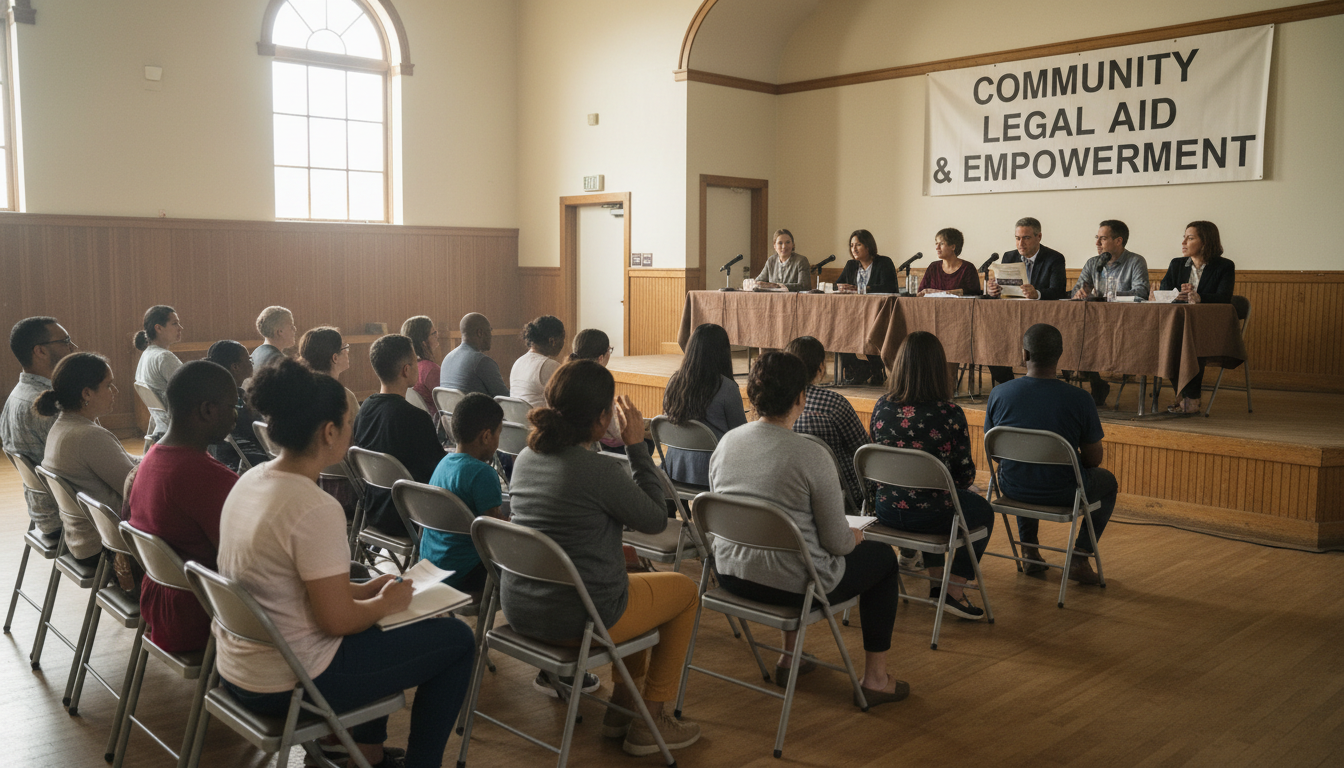
Applying these principles can be contentious. For instance, a fraudster operating online may affect victims in multiple countries. In such cases, multiple jurisdictions may claim the right to prosecute, leading to legal complexities and possible conflicts.
Tools for Addressing Jurisdictional Challenges
To address the challenges posed by international jurisdiction, various tools and agreements have been developed. International treaties, such as the Hague Convention, provide frameworks for cooperation between countries. These agreements facilitate the exchange of information and legal assistance, helping authorities pursue fraudsters across borders.
- Mutual Legal Assistance Treaties (MLATs)
- Extradition agreements
- Interpol notices
Such tools are critical in ensuring that justice is served, but they require robust international cooperation and political will.

The Role of Technology in International Fraud Cases
Technology plays a dual role in international fraud cases. On one hand, it provides fraudsters with sophisticated methods to perpetrate crimes. On the other, it offers law enforcement agencies advanced tools to track and apprehend criminals. Technologies such as blockchain analysis and data mining are increasingly used to trace fraudulent transactions and gather evidence.
However, the rapid evolution of technology also means that legal systems must continually adapt to keep pace with new methods of fraud. This requires ongoing international collaboration and the development of new legislative frameworks.
Conclusion: Navigating the Future
The challenges of international jurisdiction in fraud cases are significant, but not insurmountable. By understanding the principles, leveraging international agreements, and embracing technological advancements, law enforcement agencies can effectively combat cross-border fraud. As globalization continues to evolve, so too must our approaches to international fraud, ensuring that justice is both attainable and enforceable worldwide.